Lorem ipsum dolor sit amet, consectetur adipiscing elit. Ut elit tellus, luctus nec ullamcorper mattis, pulvinar dapibus leo.
Introduction
As lighting technologies continue to evolve, many people still wonder whether LED bulbs or traditional incandescent bulbs are the better option—especially in 2026, when efficiency, safety, and long-term value matter more than ever. Understanding how these two types of bulbs differ can help you make an informed and future-proof decision.
What Is an Incandescent Bulb?
An incandescent bulb is the classic type of light source that has been used for more than a century. It creates light by heating a tungsten filament until it glows.
Features of incandescent bulbs include:
Very warm, yellowish light
Simple structure and low upfront cost
Generates significant heat
Short lifespan due to filament burnout
Although familiar and inexpensive, incandescent bulbs are being phased out in many countries due to their high energy consumption.
What Is an LED Bulb?
An LED (Light-Emitting Diode) bulb uses semiconductor technology to create light through electroluminescence rather than heat.
Common features include:
Very low energy consumption
Cool operation with minimal heat
Long lifespan, often 15,000–30,000 hours
Multiple brightness and color temperature options
More environmentally friendly
LED bulbs have now become the mainstream lighting choice for homes, businesses, and outdoor use.
How Are They Different?
| Comparison Factor | Incandescent Bulbs | LED Bulbs |
| Energy Efficiency | Convert most energy into heat, wasting electricity. | Use up to 80–90% less energy for the same brightness. |
| Heat Output | Extremely hot to the touch, increasing fire risk. | Stays cool and safe during operation. |
| Lifespan | Short lifespan, typically around 1,000 hours. | Long-lasting, can last tens of thousands of hours. |
| Light Quality | Naturally warm color, pleasing for indoor environments. | Adjustable color temperatures from warm to daylight white. |
| Environmental Impact | Higher carbon footprint due to wasted energy. | Lower energy consumption and reduced waste through longevity. |
Advantages and Disadvantages
Incandescent Bulbs
Advantages:
Very warm and comfortable lighting
Very low purchase cost
No flickering
Disadvantages:
Extremely energy-inefficient
High heat generation
Short lifespan
Banned or restricted in many countries
LED Bulbs
Advantages:
Energy-efficient and cost-effective
Long-lasting durability
Safer, cooler operation
Broad range of brightness and color choices
Environmentally friendly
Disadvantages:
Higher initial cost
Poor-quality LEDs may flicker or fail early
Why Choose LED Instead of Incandescent in 2026?
By 2026, LED bulbs have surpassed incandescent bulbs in nearly every aspect that matters:
Lower long-term electricity cost
Longer service life with fewer replacements
Better safety due to low heat production
Compliance with modern lighting standards
More sustainable and environmentally conscious
In modern applications—from home lighting to emergency use—LED bulbs are simply the more practical and future-ready choice.
Do LED Bulbs Always Need to Be Plugged In?
Not all LED bulbs require a direct connection to a household power outlet.
Today, there are rechargeable LED bulbs that come with built-in batteries. These bulbs can operate without being plugged in and are especially useful during power outages, outdoor activities, and emergency situations.
If readers want to explore rechargeable LED bulb options, they can refer to:
DP’s Rechargeable Bulbs Series
These modern designs make LED bulbs more versatile than traditional incandescent bulbs, offering lighting anywhere without depending on grid power.
Conclusion
In 2026, the decision between incandescent bulbs and LED bulbs is clearer than ever. While incandescent bulbs offer a familiar warm glow and low upfront cost, they fall short in efficiency, lifespan, and safety. LED bulbs, especially rechargeable models, deliver better performance, reduced energy usage, and greater flexibility for everyday and emergency lighting needs.
For long-term savings and a more reliable lighting experience, LED bulbs remain the smart choice.
Why Choose Us?
Export Market Distribution

FAQ
Are you a manufacturer or trading company?
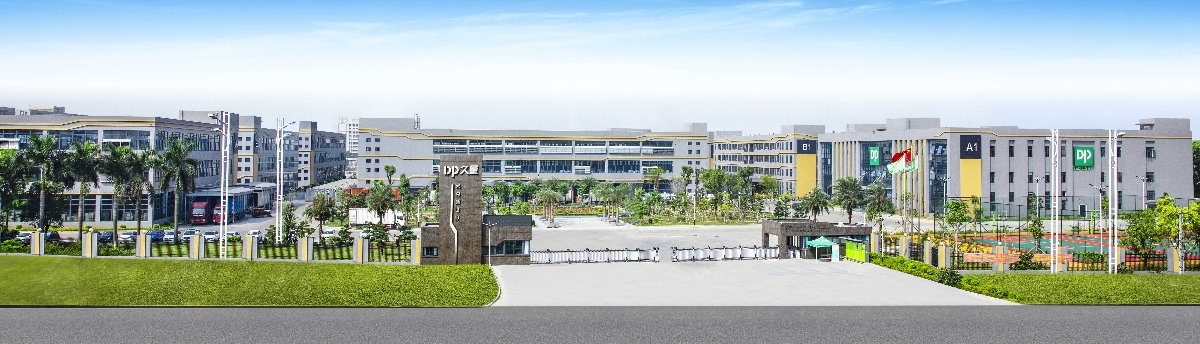
We are DP group, listed company and high-tech enterprise in China, with 4 factories of intelligent manufacturing covering 350,000 square meters. We specialize in LED flashlight, emergency lighting, and other lighting products for over 20 years.
How do you control the products quality?
We will check the products one by one before the bulk packing.
What is your method of payment?
Various payment methods are available, including via PayPal, Visa, MasterCard, Alibaba Trade Assurance and T/T.
30% deposit upon confirmation of the order, 70% balance before shipment or at sight of B/L Copy.
How long does it take to manufacture once an order has been placed?
lt depends on the volume of the order. For most online wholesales orders, we ship within 7 days after we receive the payment.
Is it possible to put our logo on your product or packaging?
Of course, we have a factory that welcome to customize such as your brand, logo, color, product manual, packaging and so on.
Can I come to China to visit your factory?
Welcome to visit our factory in Zhaoqing City, Guangdong, China, and our office in Guangzhou City, Guangdong, China.