
Introduction
We have all been there: The power grid fails. You instinctively reach for a rechargeable flashlight. It lights up a small circle on the dining table, but the rest of the house remains in pitch darkness. You cannot cook safely in the kitchen, the children are anxious in the bedroom, and your smartphone battery is slowly draining with no way to recharge it.
For millions of households in regions facing frequent load shedding or grid instability, a simple flashlight is no longer a sufficient solution. It is a temporary patch, not a lifestyle fix.
As we move into 2026, the market demand is shifting significantly towards a more comprehensive solution: The Solar Micro-Grid System. This guide explores why upgrading from a “light” to a “system” is the smartest investment for off-grid living, and why it offers a superior ROI compared to traditional diesel generators.

The “One-Light” Limitation
The fundamental flaw of a traditional emergency lantern is its lack of range. It is a “point source” of light.
The Mobility Trap: If you need to use the bathroom, you have to take the light with you, plunging the rest of the family back into darkness.
The Safety Hazard: navigating a dark house with candles or kerosene lamps is a leading cause of accidental fires.
The Anxiety: In a prolonged blackout, the inability to see the perimeter of your home creates a sense of insecurity.
The “Multi-Room” Ecosystem
Modern solar kits (specifically designs like the DP-7716) operate on a central hub concept. They function less like a torch and more like a mini power plant.
How the Ecosystem Works: Instead of one bulb, these systems utilize a central battery unit that connects to 3 or more external LED bulbs via long extension cables (typically 3-5 meters). Each bulb comes with its own independent switch.
The Real-World Impact:
The Kitchen: One bulb can be hung above the stove, allowing dinner to be prepared safely.
The Living Area: One bulb illuminates the common area for the family to gather.
The Study: One bulb ensures children can continue their homework, preventing power outages from affecting their education. This “wired” approach turns a dark house back into a fully functioning home in seconds.
The Economic Case: Solar System vs. Diesel Generator
For many distributors and end-users, the immediate alternative to grid power is a petrol or diesel generator. However, when you do the math, Micro-Solar Systems win on long-term cost.
The Generator Trap:
High Opex (Operating Expense): Generators require constant fuel. As fuel prices rise, running a generator for 4 hours a night becomes a financial burden for average families.
Maintenance: Filters, oil changes, and mechanical repairs add to the cost.
Noise & Fumes: The noise pollution disrupts sleep, and the fumes can be hazardous in dense residential areas.
The Solar Advantage: A Solar Home System has Zero Operating Costs. Once purchased, the sun provides free energy daily.
ROI Calculation: For the price of a few months of generator fuel, a family can own a solar system that lasts for years. This “Buy Once, Use Free” model is a powerful selling point for B2B retailers targeting budget-conscious markets.
Connectivity: The Modern Survival Tool
In 2026, being disconnected is often scarier than being in the dark. Standard flashlights focus solely on lumens, neglecting the most critical device in a modern emergency: the smartphone.
A robust Solar Home System acts as a high-capacity 12000mAh Power Station.
Emergency Communication: Equipped with standard 5V USB output ports, it can fully recharge multiple smartphones.
Information Access: This ensures users can receive weather alerts, access mobile banking apps, or contact emergency services.
Entertainment: It keeps tablets running, which is a significant psychological relief for families trying to keep children calm during a storm or blackout.
Technical Insight: Why Battery Tech Matters
Not all systems are created equal. When sourcing these products, buyers should look for Lithium-Ion (Li-ion) technology rather than older Lead-Acid batteries.
Weight vs. Power: Li-ion batteries (like the 18650 cells used in our premium kits) pack more power into a lighter frame, making the unit portable.
Cycle Life: Quality lithium cells offer more charge/discharge cycles, meaning the product will serve the customer for years, not just months.
Intelligent BMS: Top-tier systems include a Battery Management System (BMS) that prevents overcharging and deep discharging, crucial for safety in hot climates.
At a Glance: Why the Solar System Wins Below is a comparison of the three most common emergency power solutions. While generators offer power and flashlights offer portability, the Solar Micro-Grid System offers the best balance of cost, coverage, and connectivity.
Quick Comparison: Which Solution Fits Your Needs?
| Feature | Standard Flashlight | Diesel Generator | Solar Micro-Grid System |
| Lighting Coverage | Single Spot (1 Room) | Whole House | Multi-Room (3-4 Zones) |
| Phone Charging | Usually No | Yes | Yes (Dual USB Ports) |
| Operating Cost | Electricity Bill | High (Fuel + Maintenance) | Zero (Solar Energy) |
| Noise Level | Silent | Loud (>70dB) | Silent |
| Portability | High | None (Fixed) | Portable / Semi-Fixed |
| Safety | High | Low (Fumes Risk) | High (Low Voltage) |
| Ideal For | Short Walks / Toilet | Heavy Machinery | Home Living / Small Shops |
FAQ: Common Questions About Solar Home Systems
Q: Can the system charge if it’s cloudy?
A: Yes, high-quality solar panels can still harvest energy on overcast days, though charging may take longer. Our systems are designed with high-efficiency panels to maximize intake.
Q: How long do the lights last on a full charge?
A: It depends on usage. With a 12000mAh capacity, running a single bulb can last over 20 hours. Running all 3 bulbs simultaneously typically provides 8-10 hours of light—enough for a full night.
Q: Is installation difficult?
A: No. These are “Plug-and-Play” systems. The bulbs connect via simple DC jacks. No electrician or complex wiring is required.
Conclusion: A Lifestyle Upgrade
Moving from a flashlight to a Solar Micro-Grid System isn’t just buying a bigger light; it’s investing in infrastructure. It provides safety through multi-room lighting, security through connectivity, and financial freedom through solar energy.
For importers, this category represents the future. It solves real problems for real people.


Why Choose Us?
Export Market Distribution
FAQ
Are you a manufacturer or trading company?
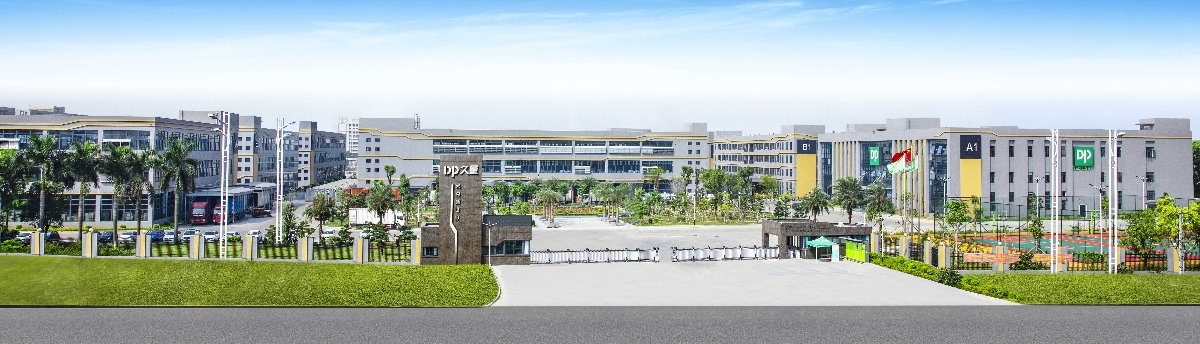
We are DP group, listed company and high-tech enterprise in China, with 4 factories of intelligent manufacturing covering 350,000 square meters. We specialize in LED flashlight, emergency lighting, and other lighting products for over 20 years.
How do you control the products quality?
We will check the products one by one before the bulk packing.
What is your method of payment?
Various payment methods are available, including via PayPal, Visa, MasterCard, Alibaba Trade Assurance and T/T.
30% deposit upon confirmation of the order, 70% balance before shipment or at sight of B/L Copy.
How long does it take to manufacture once an order has been placed?
lt depends on the volume of the order. For most online wholesales orders, we ship within 7 days after we receive the payment.
Is it possible to put our logo on your product or packaging?
Of course, we have a factory that welcome to customize such as your brand, logo, color, product manual, packaging and so on.
Can I come to China to visit your factory?
Welcome to visit our factory in Zhaoqing City, Guangdong, China, and our office in Guangzhou City, Guangdong, China.

